Latex materials in bedding are valued for their natural resilience, breathability, and buoyant support. Organic latex, sourced from rubber tree sap, provides a responsive surface that contours to varying sleeping positions while maintaining consistent firmness. This category emphasizes materials that harmonize comfort with health-conscious manufacturing practices and sustainable, low-off-gassing profiles.
Key characteristics of latex bedding include durability, antimicrobial properties, and hypoallergenic potential. For sleepers with sensitivity or respiratory concerns, natural latex can reduce dust mites and mold growth when paired with appropriate encasements. The focus is on products that maintain neutral pH and minimize chemical exposure without sacrificing comfort.
Within the latex category, emphasis is placed on blends of natural latex and organic wool or cotton covers that enhance temperature regulation. The material’s open-cell structure promotes airflow, helping to prevent heat buildup. This makes latex an appealing choice for year-round comfort, from cool nights to warmer seasons.
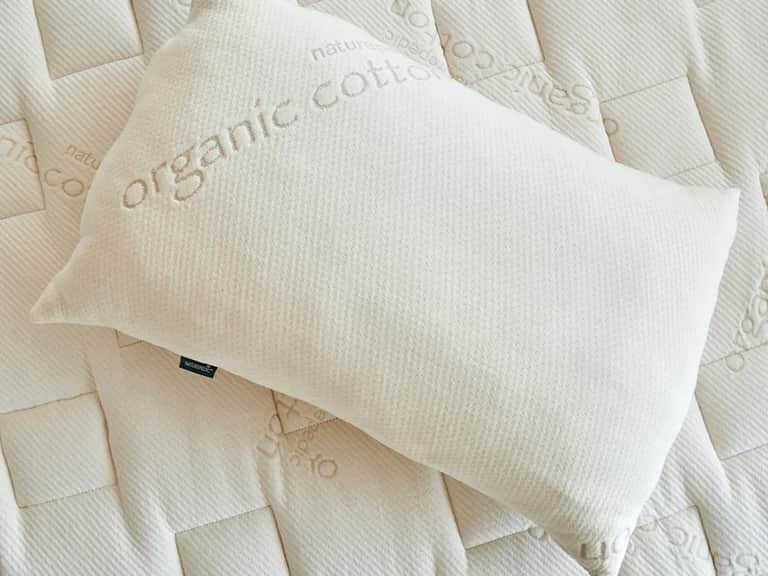
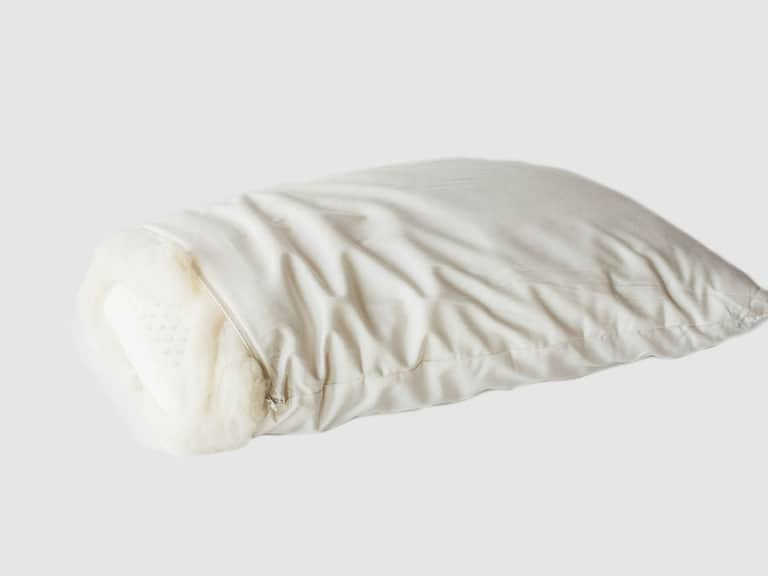
Naturepedic Solid Organic Latex Pillow exemplifies the intersection of support, safety, and durability. It features a firm yet cushiony core that supports alignment for the head and neck, with organic certifications and non-toxic finishes. Such pillows illustrate how latex products can contribute to a healthy sleep environment and long-lasting use.
Understanding the role of organic latex in mattresses and related bedding helps clarify how bed components work together. Key uses include improved spinal alignment, pressure relief for hips and shoulders, and moisture management. When evaluating latex products, consider certifications, core density, and the compatibility with organic crib mattresses and bedding essentials like sheets and pillows.
 Bedding