Comparing Organic Crib Mattresses: A Practical Guide to Safe Sleep for Babies
This comprehensive guide dives into the world of organic crib mattresses, translating certifications, materials, and safety features into everyday decision-making for caregivers. Drawing on trusted standards and real-world product examples, we illuminate how to minimize chemical exposure in a baby's sleep space without compromising comfort, durability, or practicality.
When parents embark on the journey of selecting a crib mattress, they are often navigating a landscape crowded with terms like GOTS, GOLS, OEKO-TEX, and a variety of natural fillings. This guide is designed to be a practical, reader-friendly resource—part glossary, part buying guide, and part lifecycle perspective. It centers on two brands that exemplify clarity in certification and transparency: Naturepedic and Obasan. Each brand brings a distinct approach to organic materials, safety considerations, and cradle-to-cradle thinking that matter to families seeking the healthiest possible sleep environment for their little ones.
Why organic matters in crib mattresses
A baby’s world is intimate with the materials that touch their skin. Crib mattresses sit at the intersection of comfort, safety, and long-term health, making the choice of organic products more than a trend—it’s a precautionary posture toward a low-toxicity nursery. Organic crib mattresses prioritize natural fibers, minimal chemical treatments, and formaldehyde-free processes. They also emphasize breathable construction, moisture management, and resistant-to-microbial properties, which can contribute to a calmer, healthier sleep surface for infants.
Key certifications to understand
Certifications offer a concise snapshot of product integrity. The three standards most often referenced in organic crib mattresses are:
- GOTS (Global Organic Textile Standard): The gold standard for organic textiles, GOTS certifies organic fiber content from harvest through labeling, plus environmental and social criteria in processing and manufacturing. A GOTS badge signals that at least 70% of the textile fibers are organic, with rigorous controls on chemical use and waste management.
- GOLS (Global Organic Latex Standard): Specific to latex products, GOLS ensures organic latex content and controls in the latex supply chain, from harvest to finished mattress components. It is a key signal for latex-embedded crib mattresses that rely on natural latex for comfort and support.
- OEKO-TEX and related textile safety standards: OEKO-TEX certifies textiles free from a defined set of harmful substances. For crib mattresses, OEKO-TEX certification complements organic content by underscoring safety in chemical exposure and skin-contact materials.
In addition to these primary certs, many brands employ third-party certifications for specific components, such as COC (Chain of Custody) verification, or they disclose full material disclosures to foster consumer trust. When assessing a crib mattress, look for explicit statements about flame retardants, vinyl, PVC, phthalates, and off-gassing, as well as clear sourcing information for cotton, wool, latex, or other fillings.
Materials and construction: what to expect
Organic crib mattresses typically prioritize one or more of the following materials and construction approaches:
- Organic cotton shell: A breathable, smooth outer layer that reduces irritation and supports easy cleaning. Look for GOTS-certified cotton and minimal chemical finishes.
- Natural latex core: Dunlop or Talalay latex offers buoyant support, pressure distribution, and antimicrobial properties. GOLS certification is a critical signal when latex is used in an organic mattress.
- Wool or organic cotton batting: Wool can act as a natural flame retardant and temperature regulator, while organic cotton provides a soft, quilted feel.
- Plastic-free and low-toxicity design: Many organic crib mattresses minimize or eliminate polyurethane foams and synthetic additives that can off-gas in a baby’s sleep space.
The Naturepedic and Obasan examples illustrate two pathways. Naturepedic emphasizes a combination of organic materials with well-documented safety profiles, including wool as a natural flame retardant and CO2- and VOC-free components. Obasan highlights pure organic wool and cotton constructs, using wool not only for comfort but also for flame retardant properties and moisture regulation.
Real-world product examples: what to look for in practice
In evaluating crib mattresses, it helps to study model products that embody clear certification narratives and material transparency. Below are two representative examples that align with a rigorous organic and health-conscious philosophy:
Obasan Organic Wool Moisture Pad Protector
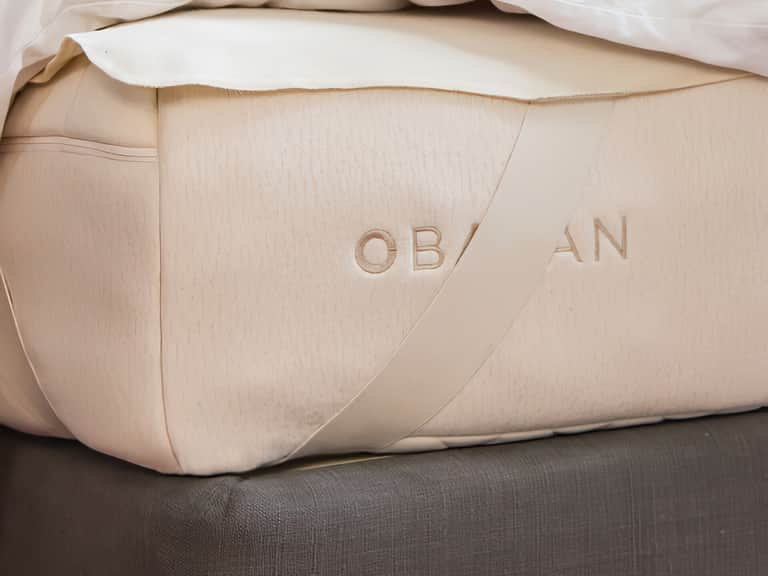
While not a crib mattress by itself, moisture pads and covers on a crib mattress can influence the sleep surface’s safety and cleanliness. The Obasan Wool Moisture Pad Protector uses pure organic wool to offer water resistance and natural flame retardancy. Its wool content provides resilience, breathability, and a moisture-management advantage, which can help keep a crib surface drier and more comfortable.
This product is framed by GOTS-certified organic wool and a careful, chemical-light production approach, making it a compelling companion for a baby’s crib setup when paired with a suitable organic crib mattress. Its elastic straps ensure a snug fit, and its care instructions emphasize gentle handling to preserve wool’s natural properties.
Naturepedic and similar organic mattress options
The Naturepedic approach demonstrates how organic shells, safe fillings, and careful seam construction can come together in a single product line. In crib mattresses, you will often see GOTS-certified fabrics, organically sourced cottons, and materials that resist chemical off-gassing while providing a firm, supportive sleep surface. When evaluating a Naturepedic-style crib mattress, readers should assess the core material (whether latex or latex-like alternatives) and the outer fabric’s certification, ensuring a flame-retardant strategy that does not rely on toxic chemicals.
What to ask when shopping for an organic crib mattress
To translate certification into confidence, here is a practical checklist you can bring to any in-store appointment or online cart:
- What percentage of the mattress materials are organic, and which components carry GOTS or GOLS certification?
- Is the mattress completely free from flame retardants derived from harmful chemicals? If not, what alternative is used?
- Are there any adhesives or finishes on the shell or core? If so, are they certified and disclosed?
- Is the cover removable and washable? Is the cover itself GOTS-certified?
- What are the emission levels (VOC off-gassing) and how is this tested or disclosed?
- How is the mattress tested for durability, edge support, and bite resistance for infants?
- What is the warranty, return policy, and disposal or recycling guidance at end of life?
Lifecycle considerations: cradle-to-cradle sleep
A thoughtful organic crib mattress plan extends beyond purchase. Consider end-of-life options such as buyback programs, recycling channels, and safe disposal practices. Materials like organic cotton and responsibly sourced wool are more amenable to recycling or repurposing than conventional foams. A cradle-to-cradle mindset encourages brands to design for disassembly, enabling separate recycling of fabrics, inner cores, and safety layers. When you choose a mattress with transparent material disclosures and a clear take-back policy, you contribute to a healthier nursery today and a more sustainable future tomorrow.
Myth-busting: common misconceptions about organic crib mattresses
Myths persist about organic products in baby sleep. Here are quick clarifications:
- Myth: Organic means completely pesticide-free everywhere.
Reality: Organic textiles focus on organic content and responsible processing. Certifications ensure adherence to organic standards, but consumers should still review material disclosures and supplier practices.
- Myth: Organic mattresses are always more expensive.
Reality: While some models command a premium, many brands offer cost-conscious options with clear, verifiable certifications. Lifecycle cost should consider durability and maintenance rather than just upfront price.
- Myth: All latex is unsafe for babies.
Reality: When latex is GOLS-certified and used in certified organic mattresses, it can be a safe, durable option. Proper ventilation, moisture management, and appropriate firmness remain essential.
Practical tips for keeping a crib sleep space clean and non-toxic
Beyond the mattress itself, the nursery environment contributes to overall sleep safety. Consider:
- Choosing a breathable, washable mattress cover or protector that aligns with organic standards.
- Avoiding chemical-laden paints on nearby furniture and ensuring proper ventilation in the nursery.
- Using water-based, non-toxic cleaners and avoiding strong fragrances near sleep areas.
- Regular mattress rotation and washing of sheets to minimize buildup of dust mites and allergens.
A note on product ethics and transparency
In a landscape where baby sleep products are evaluated for safety and sustainability, brand transparency becomes the strongest differentiator. Consumers benefit when brands clearly disclose sourcing, manufacturing practices, and the exact certifications that a product holds. The most credible organic crib mattresses invite scrutiny through open material lists, third-party testing results, and accessible customer service that can answer technical questions about certifications and lifecycle practices.
What to expect from a thoughtful buying journey
A well-considered approach begins with personal priorities—your baby’s sensitivities, your nursery’s environmental footprint, and your budget. The ideal organic crib mattress aligns with robust certifications, proven materials, and a design that prioritizes cleanliness, safety, and comfort. By selecting products with transparent disclosures and a cradle-to-cradle mindset, you actively shape a healthier sleep ecosystem for infants and a culture of accountability within the bedding industry.
Resource hub: where to learn more
For readers who want to deepen their knowledge, this article links to authoritative resources on organic textiles, certification bodies, and industry standards. The goal is to empower you with credible, actionable information so you can make decisions that reflect your family’s values and needs.
Product highlights available on this site
Our curated product selection by brand includes items that reflect a commitment to organic materials and safety standards. For reference, the Obasan Organic Wool Moisture Pad Protector showcases GOTS-certified organic wool and careful construction designed to protect the mattress surface while maintaining a chemical-free sleeping environment. This product is one example of how an accessory can complement an organic crib mattress to optimize moisture management and protection.
-
Obasan Organic Wool Moisture Pad Protector — a protector designed to fit securely with elastic straps, offering water resistance and natural flame retardancy through wool. Certification: GOTS. Price: 209.00. Link: Obasan Organic Wool Moisture Pad Protector.
This article is intended to be an informative guide for caregivers evaluating organic crib mattresses and related components. It references general standards and representative products to illustrate practical considerations without endorsing any single brand. Always verify current certifications and disclosures directly with manufacturers before purchase.