Pillows play a pivotal role in sleep quality by supporting proper spinal alignment and head comfort throughout the night. In organic bedding, materials like organic cotton, wool, and natural latex contribute to breathability, moisture management, and hypoallergenic properties. Understanding pillow construction helps readers choose designs that match sleeping positions and firmness preferences while promoting a healthy sleep environment with fewer irritants.
Organic pillows emphasize natural, chemical-free materials that reduce off-gassing and skin contact irritation. Key features to evaluate include outer fabric certifications, fill materials, loft, and how a pillow maintains shape over time. When selecting, consider personal sleep position (back, side, stomach) and any sensitivities to down or synthetic fills to optimize comfort and allergy relief.
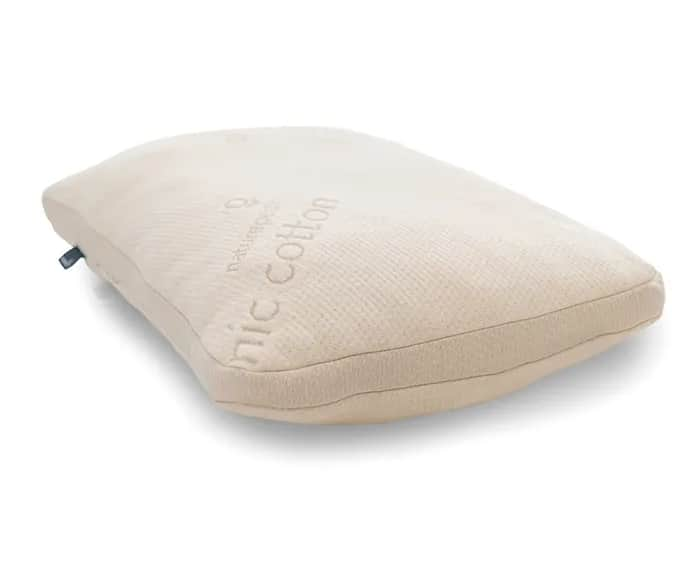
The Naturepedic Organic Wool Pillow combines a breathable wool fill with a soft, plump feel that adapts to head movement while supporting neck alignment. Its natural moisture-wicking properties help regulate temperature, making it suitable for varied climates and improving overnight comfort without synthetic additives or pesticides.
The Naturepedic Solid Organic Latex Pillow offers durable, buoyant support through a latex core wrapped in organic materials. This design maintains consistent loft, resists flattening, and provides responsive comfort for precise neck support. Latex pillows often appeal to allergy-conscious sleepers due to hypoallergenic, breathable characteristics.
In choosing between pillows like wool and latex within the organic bedding ecosystem, balance personal firmness preference, loft needs, and any sensitivities to fillers. Both options integrate with other organic bedding such as sheets and organic mattresses to create a holistic, non-toxic sleep environment focused on comfort, hygiene, and long-term usability.
 Bedding